
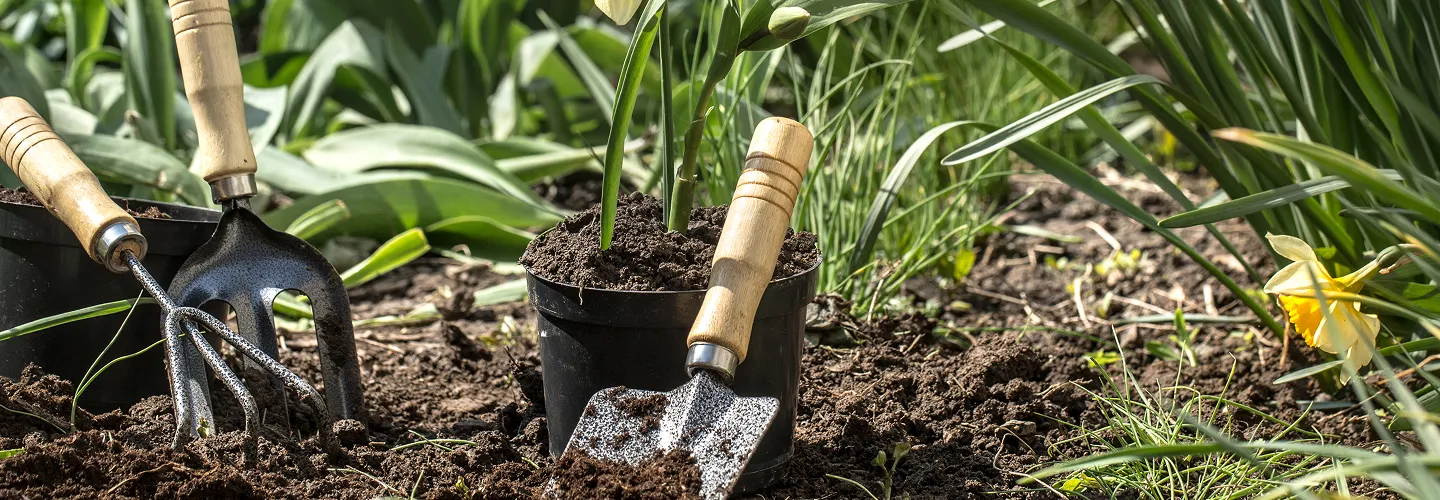
Sun City West Lawn Renovation Services
Choose our expert Lawn Renovation services for a lush, healthy yard—our experienced team uses proven techniques and premium materials to restore your lawn’s beauty, boost curb appeal, and ensure lasting results you’ll love.
Get a Free QuoteOur Sun City West Landscaping & Yard Care Services
When to Schedule Lawn Renovation in Sun City West, Arizona – Seasonal Guide
In Sun City West, Arizona, timing your lawn renovation is crucial for achieving a lush, healthy yard that thrives in our unique desert climate. The best periods for lawn renovation are typically early spring and early fall, when temperatures are moderate and the risk of extreme heat or frost is minimal. Renovating during these windows allows new grass seed or sod to establish strong roots before the intense summer heat or occasional winter chills set in. Neighborhoods near Beardsley Park and the Hillcrest Golf Club often experience microclimates, so it's important to consider your specific location when planning.
Local environmental factors such as low annual precipitation, high summer temperatures, and alkaline soil types play a significant role in determining the optimal renovation schedule. Areas with dense shade from mature trees, like those found along R.H. Johnson Boulevard, may require different timing and grass varieties compared to open, sun-exposed lots. Additionally, municipal guidelines and water use restrictions—sometimes updated on official sites like Sudbury's municipal page—should be reviewed before starting any major lawn project.
Local Factors to Consider for Lawn Renovation in Sun City West
- Tree density and shade coverage, especially in established neighborhoods
- Soil composition and drainage, which can vary between golf course communities and newer developments
- Seasonal precipitation patterns and drought risk
- Frost dates, typically occurring in late December or early January
- Municipal water restrictions and HOA guidelines
- Terrain slope and exposure to wind or sun
- Proximity to landmarks such as Beardsley Park or Hillcrest Golf Club
Benefits of Lawn Renovation in Sun City West
Enhanced Curb Appeal
Improved Lawn Health
Increased Property Value
Weed and Pest Reduction
Efficient Water Usage
Customized Landscaping Solutions
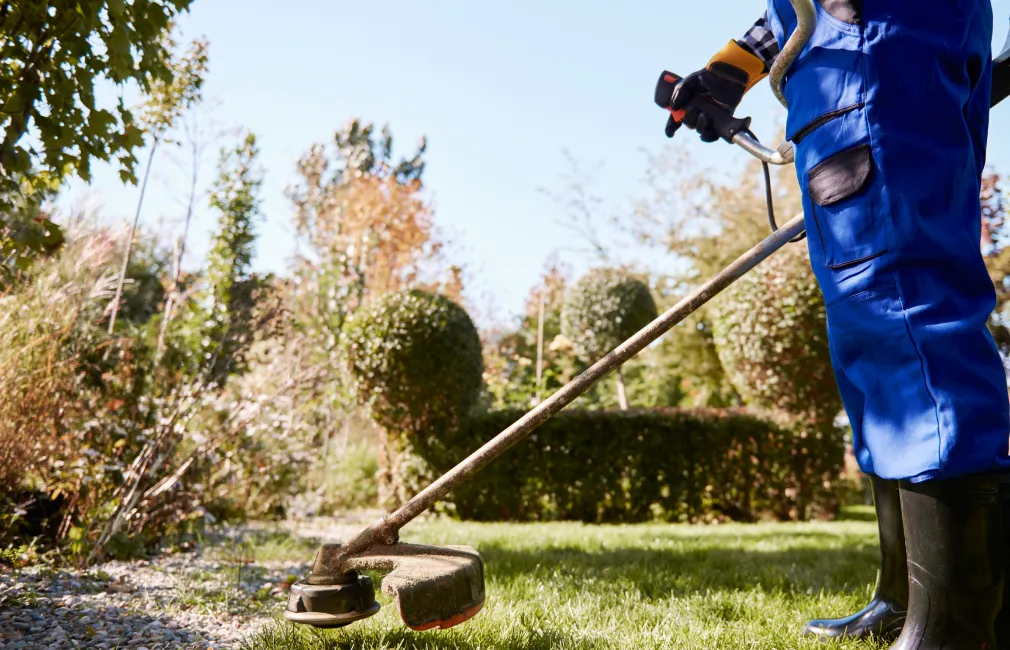
Sun City West Lawn Renovation Types

Sod Installation
-
Artificial Turf Replacement
-
Drought-Tolerant Landscaping
-
Soil Amendment and Grading
-
Irrigation System Upgrades
-
Seeding and Overseeding
-
Lawn Removal and Conversion
Our Lawn Renovation Process
Site Evaluation
Soil Preparation
Seeding or Sodding
Watering and Fertilization
Ongoing Maintenance
Why Choose Sun City West Landscape Services
-
Sun City West Homeowners Trust Us
-
Reliable Lawn Maintenance
-
Competitive Pricing
-
Professional Team
-
Satisfaction Guarantee
-
Personalized Service
-
Timely Project Completion
Coordinating Lawn Renovation Projects with Sun City West Community and County Services
Sun City West is an unincorporated community in Maricopa County, which means lawn renovation projects fall under county-level oversight rather than a traditional city government. Residents planning soil correction, grade repair, or turf replacement should coordinate with Maricopa County departments responsible for development review, stormwater management, and environmental compliance. Because Sun City West operates through its Recreation Centers of Sun City West (RCSCW) and homeowner associations, property owners must also verify community-level landscape standards before beginning renovation work. For projects involving grading changes, drainage modifications, or irrigation system overhauls, the county engineering division can clarify whether site review is required based on scope and location.
- Confirm HOA or RCSCW landscape guidelines before removing or replacing existing turf
- Verify county stormwater requirements when regrading or altering drainage flow
- Coordinate green waste and debris hauling through county-approved disposal channels
- Contact county housing and community development resources for neighborhood improvement guidance
Maricopa County Engineering Design
Official Website: Maricopa County Engineering Design
Maricopa Housing & Community Development
Official Website: Maricopa Housing & Community Development
How Sun City West's Alkaline Soils and Desert Heat Shape Lawn Renovation
Sun City West sits in the low Sonoran Desert of the Phoenix metro's northwest valley, within USDA Hardiness Zone 9b to 10a, where summer temperatures routinely exceed 110°F and annual rainfall averages under eight inches. These conditions create specific challenges that directly affect every phase of lawn renovation. Soils throughout the community tend toward alkaline sandy loam, often with caliche layers at shallow depth that restrict root penetration and water infiltration. Decades of irrigation on older lots can produce salt accumulation in the upper soil profile, degrading turf vigor and requiring leaching or soil amendment during renovation. The USDA Web Soil Survey provides parcel-level data useful for identifying subsurface constraints before work begins.
- Caliche hardpan: May require mechanical breaking or removal to restore drainage and root depth
- Salt buildup: Accumulated salts from years of irrigation demand soil testing and possible gypsum amendment
- Reflected heat: Block walls, concrete driveways, and patios intensify turf stress along property edges
- Compacted subdivision fill: Original construction fill on many Sun City West lots resists water movement and root establishment
- Monsoon runoff: Brief, intense summer storms can erode freshly graded surfaces and wash seed or amendments into retention basins
Navigating Regulatory and Environmental Compliance for Lawn Renovation in Sun City West
Because Sun City West is unincorporated, Maricopa County administers land-use, environmental, and stormwater regulations that apply to lawn renovation projects. Any renovation involving significant regrading, drainage alteration, or proximity to flood-control channels or retention basins should be reviewed against county engineering standards. Stormwater runoff from renovation sites—including sediment, fertilizer, and soil amendments—must not enter storm drains, washes, or retention infrastructure, consistent with Arizona DEQ stormwater program requirements and the federal Clean Water Act. Pesticide or herbicide applications during renovation must be performed by applicators licensed through the Arizona Department of Agriculture. The Arizona Department of Water Resources provides landscaping guidance relevant to irrigation efficiency during turf re-establishment.
- Verify whether grading changes trigger county review through the engineering or environmental services division
- Ensure sediment and amendment runoff does not reach washes, curb inlets, or retention basins
- Confirm that any chemical applications are performed by properly licensed applicators under Arizona law
- Review irrigation plans against current water-use guidelines applicable to the service area
Maricopa County Environmental Services
Official Website: Maricopa County Environmental Services
Maricopa County Water, Sewage, Stormwater & Waste Services
Official Website: Maricopa County Water, Sewage, Stormwater & Waste Services
Timing and Methods for Professional Lawn Renovation in Sun City West's Climate
Lawn renovation in Sun City West must be timed around the region's extreme heat cycle and monsoon season. For bermudagrass—the dominant warm-season turf in the community—major renovation work including soil correction, grade repair, and replanting is best scheduled during late spring through early summer when soil temperatures support rapid establishment. The University of Arizona Cooperative Extension and the Turfgrass Maintenance Guide for Low Elevation Arizona provide regionally calibrated guidance on turf recovery and establishment timing.
- Soil correction: Test pH and salinity before amending; alkaline soils commonly require sulfur or gypsum to improve nutrient availability
- Grade repair: Address low spots, settlement areas, and drainage deficiencies before laying sod or seeding to prevent future ponding and scalping
- Irrigation audit: Inspect and adjust sprinkler coverage, head spacing, and run times before establishing new turf; uneven coverage is a primary cause of renovation failure in desert conditions
- Compaction relief: Core aeration commonly targets roughly 2–3 inches of penetration and should precede topdressing or amendment incorporation
- Overseeding context: Properties that overseed with perennial ryegrass each fall should schedule major renovation to allow bermudagrass recovery before the October–November overseeding window
Freshly renovated areas require frequent, short irrigation cycles during establishment, tapering to deeper and less frequent watering as roots develop. Avoid scheduling major soil work during peak monsoon months (July through mid-September) when intense rainfall can erode exposed surfaces and carry sediment into drainage infrastructure.
What Neighborhoods Do We Serve Throughout Sun City West, AZ?
- Corte Bella: Golf course-adjacent properties with irrigated turf areas subject to reflected heat from surrounding hardscape and walls, often requiring salt and compaction correction during renovation.
- Echo Mesa: Lots near the Echo Mesa Golf Course frequently feature mature bermudagrass lawns that benefit from periodic grade leveling and irrigation system updates as original infrastructure ages.
- Grandview Terrace: Properties in this area often have compact lot layouts where turf renovation must account for limited access, close hardscape proximity, and efficient irrigation coverage.
- Stardust Golf Course Area: Homes bordering Stardust experience high reflected heat and irrigation runoff concerns, making soil amendment and drainage correction essential components of any renovation.
- Trail Ridge: Slightly elevated lots in Trail Ridge may present shallow caliche and slope-related drainage challenges that require grading adjustments during turf restoration.
- R.H. Johnson Boulevard Corridor: Properties along this central corridor encounter high-traffic landscape wear and benefit from compaction relief and turf re-establishment tailored to the community's active-adult use patterns.