
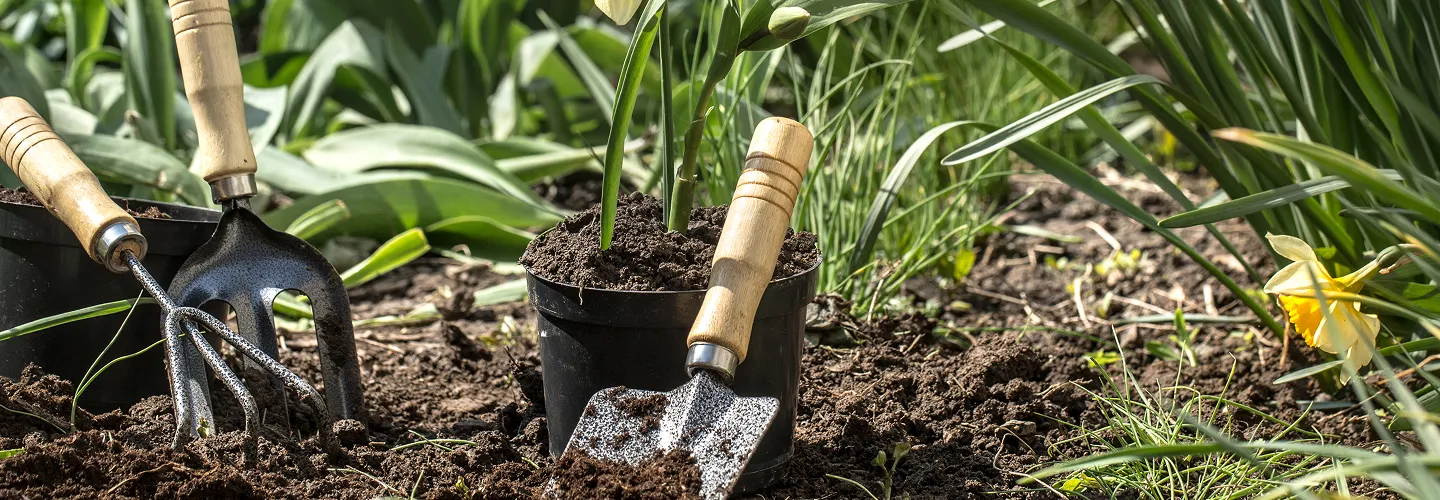
Sun City West Flower Bed Maintenance Services
Choose our Flower Bed Maintenance for expert care that keeps your garden healthy, colorful, and thriving all year long—so you can enjoy stunning flower beds without the hassle.
Get a Free QuoteOur Sun City West Landscaping & Yard Care Services
When to Schedule Flower Bed Maintenance in Sun City West, Arizona – Seasonal Guide
In Sun City West, Arizona, the timing of flower bed maintenance is crucial for ensuring vibrant, healthy landscapes throughout the year. Due to our unique desert climate, with mild winters and hot, dry summers, the best periods for comprehensive flower bed care are typically late winter through early spring and again in early fall. These windows allow for planting, pruning, and soil amendments before the most intense heat or potential cold snaps. Local neighborhoods like Corte Bella and the areas surrounding Beardsley Park often experience microclimates, so it’s important to consider your property’s specific exposure to sun, shade, and wind. Factors such as the average last frost date in February, the risk of summer drought, and the alkaline, sandy soils common in our region all play a role in determining the optimal maintenance schedule. For more information on local environmental guidelines, visit the Sudbury municipal site.
Local Factors to Consider for Flower Bed Maintenance in Sun City West
- Tree density and shade coverage, especially near golf courses or mature neighborhoods
- Soil type and drainage, with many areas featuring sandy or rocky soils
- Seasonal precipitation patterns and drought risk
- Proximity to landmarks like R.H. Johnson Recreation Center, which may influence microclimates
- Municipal watering restrictions and HOA guidelines
- Terrain variations, such as sloped yards or raised beds
Benefits of Flower Bed Maintenance in Sun City West
Enhanced Curb Appeal
Weed and Pest Prevention
Healthier Plant Growth
Seasonal Color Management
Professional Landscape Expertise
Time and Effort Savings

Sun City West Flower Bed Maintenance Types

Seasonal Flower Planting
-
Weed Control Services
-
Soil Amendment and Fertilization
-
Mulching and Ground Cover
-
Pruning and Deadheading
-
Irrigation System Maintenance
-
Pest and Disease Management
Our Flower Bed Maintenance Process
Site Evaluation
Weed Removal
Soil Preparation
Plant Care
Mulching
Why Choose Sun City West Landscape Services
-
Sun City West Homeowners Trust Us
-
Reliable Lawn Maintenance
-
Competitive Pricing
-
Professional Team
-
Satisfaction Guarantee
-
Personalized Service
-
Timely Project Completion
Coordinating Flower Bed Maintenance with Sun City West's Community and County Services
Sun City West is an unincorporated community within Maricopa County, which means residents coordinate landscape-related services through county departments and the Recreation Centers of Sun City West rather than a traditional city government. Flower bed maintenance generates organic debris—spent annuals, pruned perennials, pulled weeds, and displaced mulch—that must be disposed of in accordance with county waste handling procedures. Property managers should verify current green waste collection or drop-off options through Maricopa County rather than assuming municipal curbside pickup is available. The Recreation Centers of Sun City West maintain landscaped common areas around golf courses and clubhouses, and their standards often influence neighborhood appearance expectations for adjacent residential properties.
- Confirm green waste disposal routing and accepted materials through county services before scheduling large-scale bed cleanouts
- Coordinate any bed renovation work near shared drainage infrastructure or common-area boundaries with the relevant homeowner association
- Review stormwater and waste guidance through Maricopa County Water, Sewage, Stormwater & Waste Services when bed maintenance involves soil amendment runoff or bulk organic removal
Maricopa County Environmental Services
1001 N. Central Ave., Phoenix, AZ 85004
Official Website: Maricopa County Environmental Services
Sun City West Recreation Centers
19803 N. R.H. Johnson Blvd., Sun City West, AZ 85375
Official Website: Sun City West Recreation Centers
How Sun City West's Low-Desert Heat and Alkaline Soils Affect Flower Beds
Sun City West sits in the Phoenix metro low desert, classified within USDA Hardiness Zone 9b to 10a, where summer temperatures routinely exceed 110°F and annual rainfall averages under eight inches. These conditions impose specific pressures on flower bed maintenance that differ substantially from higher-elevation Arizona communities. Soils across much of the community tend toward alkaline sandy loam, often underlain by caliche hardpan that restricts root penetration and drainage. Decomposed granite is widely used as a surface mulch, but it absorbs and radiates heat, intensifying soil temperatures around shallow-rooted annuals and perennials.
- Soil alkalinity commonly exceeds pH 8.0, which can limit iron and phosphorus availability to flowering plants and cause chlorosis in non-adapted species
- Caliche layers may sit within 12–24 inches of the surface, requiring bed preparation that breaks through or works above the hardpan to ensure adequate root-zone drainage
- Reflected heat from block walls, concrete walkways, and light-colored gravel can raise microclimate temperatures well above ambient air readings, accelerating moisture loss from beds
- Monsoon exposure between July and September brings sudden, intense rainfall that can wash out mulch, displace emitters, and erode unprotected bed edges
- Irrigation dependence is year-round; even winter-planted beds require consistent drip emitter coverage, as natural precipitation is insufficient for establishment or sustained bloom
The Arizona Department of Water Resources provides landscaping guidance that supports water-efficient bed design suited to these conditions.
Navigating Stormwater Compliance and Pesticide Regulations for Sun City West Flower Beds
Because Sun City West falls under Maricopa County jurisdiction, flower bed maintenance activities must align with county-level environmental standards and applicable state regulations. Stormwater management is a primary concern: soil amendments, fertilizers, and organic debris from bed maintenance must not enter storm drains, retention basins, or drainage washes. Maricopa County participates in Phase II MS4 stormwater programs administered through the Arizona Department of Environmental Quality, which regulate pollutant discharge from developed areas into the storm sewer system.
- Any commercial applicator treating flower beds with herbicides, fungicides, or insecticides must hold valid certification through the Arizona Department of Agriculture under state licensing requirements
- Noxious weed species identified by the Arizona Department of Agriculture should be removed promptly during bed maintenance to prevent spread into adjacent properties or common areas
- Excess irrigation runoff carrying fertilizer or soil sediment from flower beds into streets or washes may constitute a Clean Water Act compliance issue under federal stormwater standards
- Residents should verify any community-specific landscape modification rules with their homeowner association, as many Sun City West neighborhoods enforce appearance and planting standards
Maricopa County Water, Sewage, Stormwater & Waste Services
Official Website: Maricopa County Water, Sewage, Stormwater & Waste Services
Timing Flower Bed Maintenance Around Sun City West's Extreme Seasons
Professional flower bed maintenance in Sun City West follows a seasonal rhythm dictated by the low desert's two primary planting windows and the intervening stress periods. Cool-season annuals such as petunias, snapdragons, and pansies are typically installed between October and early November and maintained through March, while warm-season selections like vinca, lantana, and desert marigold are established after the last frost risk has passed, generally by mid-March. Deadheading, weed suppression, and emitter inspection should occur on regular cycles throughout each growing season.
- Fall bed preparation (September–October): Remove spent summer plantings, flush drip lines, inspect emitter output, amend soil with sulfur or iron if chlorosis was observed, and replenish mulch depth to approximately 2–3 inches
- Winter maintenance (November–February): Monitor for frost damage on tender annuals during overnight lows that occasionally dip below 32°F, maintain consistent irrigation on a reduced schedule, and remove weeds before they set seed
- Spring transition (March–April): Pull cool-season annuals as temperatures rise, reset emitter spacing for warm-season plantings, and apply pre-emergent weed control before monsoon-season germination flushes
- Monsoon readiness (June–July): Secure mulch and bed edging against washout, verify that bed grading directs runoff away from foundations and toward designated drainage, and reduce irrigation frequency to account for rainfall events
What Neighborhoods Do We Serve Throughout Sun City West, AZ?
- Corte Bella — Properties in this golf course community often feature irrigated flower beds along entryways and courtyards, with reflected heat from stucco walls requiring careful species selection and emitter placement
- Sun City West Phase 1 (Original) — Older lots near the R.H. Johnson Recreation Center frequently have mature desert landscaping with established drip systems that may need emitter replacement and bed renovation
- Deer Valley Estates area — Larger lot sizes in this section allow for more expansive flower bed layouts, though caliche presence at shallow depths can complicate soil preparation
- Grandview Terrace — Properties near the Grandview Golf Course benefit from partial shade provided by mature trees, which influences plant selection and irrigation scheduling for adjacent flower beds
- Trail Ridge — Homes along the western edge of the community experience greater wind exposure and may require more frequent mulch replenishment and emitter inspection to maintain bed integrity
- Echo Mesa area — Proximity to golf course drainage corridors means flower bed maintenance must account for periodic runoff and ensure that bed amendments do not migrate into shared drainage infrastructure